

Part 4: The Trust Equation: Building Partnerships That Work
Introduction
The progression through the Australia-China Bioinnovation Roundtable followed a deliberate arc: from understanding ecosystems (keynotes), to exploring practical pathways (panel discussion), to examining investment dynamics (fireside chat). Each session built upon the last, moving from strategic context to operational reality.
But the most candid and actionable insights emerged in the closed-door roundtable discussion—conducted under Chatham House Rules to enable frank dialogue without attribution. Here, senior leaders from research institutions, biotechnology companies, investment firms, CROs, and advisory organizations across both countries shared what actually works, what doesn't, and what needs to change.
The conversation revealed an ecosystem that has moved past cautious exploration toward active implementation, with stakeholders seeking practical pathways to leverage complementary strengths while managing appropriate risks.
Strategic Partnerships and Regulatory Pathways

Participants explored how to structure effective partnerships between Australian and Chinese biotechs, with particular attention to governance mechanisms that enable collaboration while managing appropriate risks. The conversation centered on practical approaches to dual regulatory strategies leveraging both TGA and NMPA pathways to accelerate development timelines.
Discussion addressed the practicalities of managing parallel regulatory submissions, identifying resources and partnerships to navigate both systems efficiently, and exploring opportunities for greater regulatory harmonization or mutual recognition. Several participants shared perspectives on industry-led initiatives that might accelerate regulatory alignment, recognizing this requires sustained engagement rather than one-off efforts.
A notable theme emerged around intellectual property considerations. Rather than viewing IP protection as a barrier to engagement, participants discussed it as a manageable aspect of partnership design. Several attendees referenced successful collaborations, emphasizing that execution quality and robust governance structures often matter more than defensive positioning. The discussion acknowledged that Australia's relatively modest biotech IP volume compared to global leaders suggests the ecosystem may benefit from proactive engagement rather than excessive caution.
Investment, Commercialization, and Geopolitical Navigation
The roundtable explored mechanisms to better connect Australian early-stage innovation with Chinese growth-stage investment capital and manufacturing capabilities. Participants discussed various structures including bilateral venture funds, innovation hubs, and government co-investment schemes that could bridge funding gaps and create more seamless pathways between the ecosystems.
Considerable attention was given to navigating geopolitical considerations, including implications of the US BIOSECURE Act, evolving foreign investment regulations, and technology competition concerns. Rather than treating these as insurmountable obstacles, participants shared approaches for how Australian companies might navigate these considerations while maintaining optionality for US partnerships and FDA pathways. There was broad recognition that strong IP protection strategies, transparent governance, and robust compliance frameworks are essential components of successful cross-border collaboration.
The conversation reflected a maturing sophistication in how Australian stakeholders approach geopolitical risk—not as a reason to avoid engagement entirely, but as a factor requiring thoughtful partnership design and appropriate guardrails in sensitive areas while preserving collaboration opportunities in therapeutic areas with clear benefits for both countries and global patients.
Leveraging Complementary Strengths: Speed, Scale, and Quality
Australian participants demonstrated strong interest in understanding how to leverage China's proven capabilities in speed and scale while maintaining quality standards. The discussion referenced China's significantly lower Phase III clinical trial costs (approximately one-third of US costs) and dramatically faster patient recruitment enabled by large, treatment-seeking populations. For Australian biotechs working with limited capital runway, these efficiency gains represent meaningful strategic advantages.
Participants explored how Australian biotechs might integrate with China's advanced biomanufacturing ecosystem, including CROs, CDMOs, and specialized service providers. Several attendees shared experiences of discovering world-class research and manufacturing capabilities during visits to Chinese institutions, often exceeding initial expectations around quality and sophistication. The conversation also addressed how to position Australia beyond Phase I clinical trials to capture value across the full development pipeline including preclinical work, manufacturing scale-up, and later-stage trials.
Emerging Opportunities and Ecosystem Building
Participants identified high-potential therapeutic areas and technology platforms for bilateral collaboration, with particular focus on how Australia and China might work together to address shared healthcare challenges across the Asia-Pacific region—aging populations, chronic diseases, antimicrobial resistance, and pandemic preparedness.
A significant theme centered on knowledge transfer and capacity building. The discussion explored how to facilitate more effective people-to-people exchanges, particularly among early-career researchers, entrepreneurs, and business development professionals. Participants discussed the value of programs such as innovation study tours, research fellowships, entrepreneurship bootcamps, and secondments that could build the next generation of collaboration leaders with direct experience in both ecosystems.
There was recognition that better information flows and educational resources would benefit both sides: Australian stakeholders need deeper understanding of China's biotech landscape, partnership norms, and quality standards, while Chinese companies seeking to work with Australian institutions need practical guidance on navigating Australian regulatory requirements, research collaboration frameworks, and commercialization pathways. Building this bilateral knowledge infrastructure was viewed as essential groundwork for scaling collaboration.
Moving from Dialogue to Action
Throughout the discussion, Australian stakeholders demonstrated notably proactive approaches to engagement. Questions focused less on whether to collaborate and more on how to structure partnerships effectively, what quality assurance protocols work best, and which risk mitigation strategies prove most practical in real-world implementation.
Representatives from leading Australian research institutions shared examples of existing collaborations, including physical presence in Chinese innovation hubs, co-investment funds targeting Greater China opportunities, and substantive research partnerships producing tangible outcomes. These examples provided proof points that well-structured Australia-China collaborations can deliver strong results when approached strategically.
The sentiment throughout the roundtable was decidedly forward-looking, with participants viewing the gathering as a foundation for sustained engagement rather than an isolated event. There was emphasis on moving from dialogue to concrete action, with discussion of specific partnership announcements in development, pilot programs in targeted therapeutic areas, and working groups to address regulatory harmonization and best practice development.
Commitments and Next Steps
The roundtable concluded with identification of several priority areas for collective action: establishing focused working groups on regulatory harmonization, IP protection frameworks, and joint clinical trial protocols; launching time-bound pilot programs in specific therapeutic areas including rare diseases, agricultural biotechnology, and medical devices; and formalizing partnerships between Australian biotechs and Chinese service providers, research institutions, and investors.

The conversation included exploration of co-investment vehicles that could bridge the gap between Australian early-stage innovation and Chinese growth capital, as well as mechanisms to systematically document and disseminate lessons learned from both successful and unsuccessful collaboration attempts. Participants emphasized the importance of maintaining momentum through regular forums to track progress, share updates on collaborative initiatives, and address emerging challenges.
The discussion reflected an ecosystem that has moved past cautious exploration toward active implementation, with stakeholders seeking practical pathways to leverage the complementary strengths of Australian innovation excellence and regulatory credibility alongside Chinese manufacturing scale, capital depth, and market access. The energy and specificity of the conversations suggested meaningful progress toward translating strategic intent into operational partnerships.
Conclusion: Building Bridges for Innovation
The 2025 Australia-China Bioinnovation Roundtable demonstrated that despite broader geopolitical complexities, there remains strong appetite and clear rationale for deepening collaboration in biotechnology. The discussions highlighted several overarching themes:
Complementary Strengths: Australia and China possess highly complementary capabilities—Australian research excellence and regulatory credibility combined with China's manufacturing scale, capital depth, and market access create powerful synergies for ambitious biotechs.
Pragmatic Pathways: Successful collaboration requires moving beyond high-level rhetoric to practical, concrete initiatives—from pilot programs and joint research projects to co-investment vehicles and regulatory cooperation mechanisms.
Strategic Sophistication: Biotechs must approach cross-border partnerships with strategic intentionality, building the right advisory networks, establishing robust governance frameworks, and maintaining flexibility to navigate an evolving landscape.
Ecosystem Thinking: Strengthening Australia-China collaboration requires coordinated action across multiple stakeholders—investors, companies, research institutions, service providers, and policymakers—working together to build enabling infrastructure.
Long-term Perspective: Building deep, trusted partnerships takes time and requires sustained commitment. The focus should be on creating durable frameworks and relationships that can withstand short-term volatility.
Where to Run What: Strategic Geography
The discussion moved to practical questions about where specific development activities make most sense.
China's Advantages Revisited
Participants emphasized areas where China offers clear strategic value:
1. IIT Routes for Cell/Gene Therapies: The Investigator-Initiated Trial mechanism in China enables faster generation of early human data without full IND approval. For novel modalities, this accelerates development significantly.
2. Scale and Speed in Later-Stage Trials: Large patient populations and efficient site networks dramatically accelerate enrollment.
As Dr. Marina Zhang noted earlier, "Phase III clinical trial costs in China are about $25,000 USD per patient—around one-third of US costs. Patient recruitment is also much faster."
3. Integrated Manufacturing: China's biomanufacturing ecosystem enables end-to-end capabilities from discovery through commercial production at competitive costs.
Australia's Strategic Role
Participants articulated Australia's complementary positioning:
1. Fast, Cost-Effective First-in-Human: Streamlined regulatory pathways enable rapid trial initiation.
As Stuart Dignam emphasized, "Less than two months from submission to first patient dosed. Greater than 50% of FDA-approved drugs are studied in Australia."
2. Diverse, Globally Relevant Data: Ethnically diverse patient populations generate data accepted by FDA, EMA, and increasingly NMPA. This matters for global regulatory strategy.
3. R&D Tax Incentives: Up to 43.5% refundable credit for small companies significantly improves capital efficiency—a meaningful advantage for resource-constrained biotechs.
4. Ex-China Manufacturing Base: For companies pursuing global commercialization, particularly US market access, manufacturing outside China reduces geopolitical risk.
Strategic Sequencing
The conversation revealed emerging best practices for development sequencing:
- Preclinical in China: Leverage cost-effective, high-quality CRO services for target validation, lead optimization, and IND-enabling studies
- Phase I in Australia: Fast, credible first-in-human data accepted globally
- Early clinical data generation in China: IIT pathway for certain modalities; early Phase II in specific indications
- Global Phase II/III: Leverage both geographies—China for efficient enrollment, Australia for diverse data, US/EU for regulatory strategy
- Manufacturing strategy: Consider China for process development and scale-up, but evaluate ex-China options for global commercialization
What Needs to Change: Honest Assessment
The roundtable also surfaced areas where the ecosystem needs improvement:
From Australian Side:
Move beyond exploration to execution: Too many "study tours" and "exploring opportunities"—not enough concrete pilot projects and investment commitments.
Build China literacy: Better understanding of how Chinese biotech companies operate, what quality standards look like, which service providers are reputable.
Accept appropriate risk: Not every Chinese partnership needs same risk framework as defense technology. Life sciences collaboration addressing shared health challenges should be facilitated, not hindered.
Invest in relationships: Send senior people to China regularly, not just BD staff. Build relationships at multiple levels of organizations.
Amplify success stories: Better communication about successful partnerships to build confidence across ecosystem.
From Chinese Side:
Patience with Australian scale: Australian ecosystem is smaller—fewer deals, longer timelines than Chinese partners may expect.
Understanding of Australian regulatory environment: TGA processes, university tech transfer norms, Australian business practices differ from Chinese counterparts.
Recognition of Australian strengths: Not just clinical trials—world-class research, global regulatory credibility, diverse patient populations all have strategic value.
Investment in Australian presence: More Chinese companies establishing Australian operations to build relationships and understand ecosystem.
Transparency about capabilities: Clear communication about what services/capabilities are truly world-class vs. still developing.
Closing Reflections: Foundation for the Future
As the roundtable concluded, the energy was notably forward-looking. Unlike exploratory discussions about whether to engage, this was a community figuring out how to execute more effectively.
Phoebe Bianca Luwong from ACBC Victoria offered closing remarks:
"Today's discussions have underscored the importance of strong partnerships between Australia and China, not only in advancing medical breakthroughs but in building resilient, future-focused industries that benefit both communities."
Betty Zhang from Boson Ventures synthesized key themes:
"We started strong with frank understanding of what's missing from both ecosystems, but with optimistic view of where we can explore complementarity. The opportunities are clear, pathways are becoming better defined, and the time to act is now."

Liu Baocheng from Bokwe Medical Council and Shanghai Jiao Tong University alumni association emphasized the importance of continued engagement:
"This is the first step—getting to know each other better. That's how we build trust. Hopefully next time, we can hold the conference in Shanghai, have multi-day discussions, explore more topics."
The Bigger Picture: Australia's Strategic Positioning
Stepping back from individual partnerships and tactical execution, the roundtable revealed something significant about Australia's position in the global biotech landscape.
Middle Power as Strategic Advantage
Australia is neither biotech superpower like the United States, nor emerging giant like China. But this "middle power" positioning—which might seem like limitation—actually creates unique strategic value.
Trusted Partner Status: Australia maintains strong relationships with both the US/Europe and Asia-Pacific. This enables partnerships that might be politically difficult for larger powers.
Quality Without Scale Intimidation: Australian research is world-class, but Australian companies aren't seen as competitive threats the way US companies might be. This makes partnerships more natural.
Regulatory Credibility: TGA approval and Australian clinical data carry global weight. This provides validation valuable for companies from any country seeking international expansion.
Geographic Positioning: Time zone overlap with Asia, cultural understanding, significant Asian diaspora populations—all facilitate natural connections.
From Satellite to Bridge
Dr. Marina Zhang warned against Australia simply "satelliting with the US" in biotech innovation:
"Innovation is not just zero to one—it's one to a hundred. China has that scale and speed."
The roundtable suggested a more sophisticated positioning: Australia as a bridge connecting Western and Asian biotech ecosystems.
This means:
- Conducting clinical trials for both Chinese and Western sponsors
- Hosting R&D facilities for multinational companies accessing Asia-Pacific talent
- Providing regulatory validation accepted by both FDA and NMPA
- Facilitating partnerships between Chinese biotechs and Western pharma
- Training talent that works across ecosystems
- Developing innovations that address health needs globally, not just in Australia
Building on Historical Foundation
Several speakers referenced Australia's historical relationship with China, particularly Gough Whitlam's 1971 visit—before Nixon's famous trip. Stuart Dignam noted:
"Among Western nations, Australia and China have a pretty special relationship."
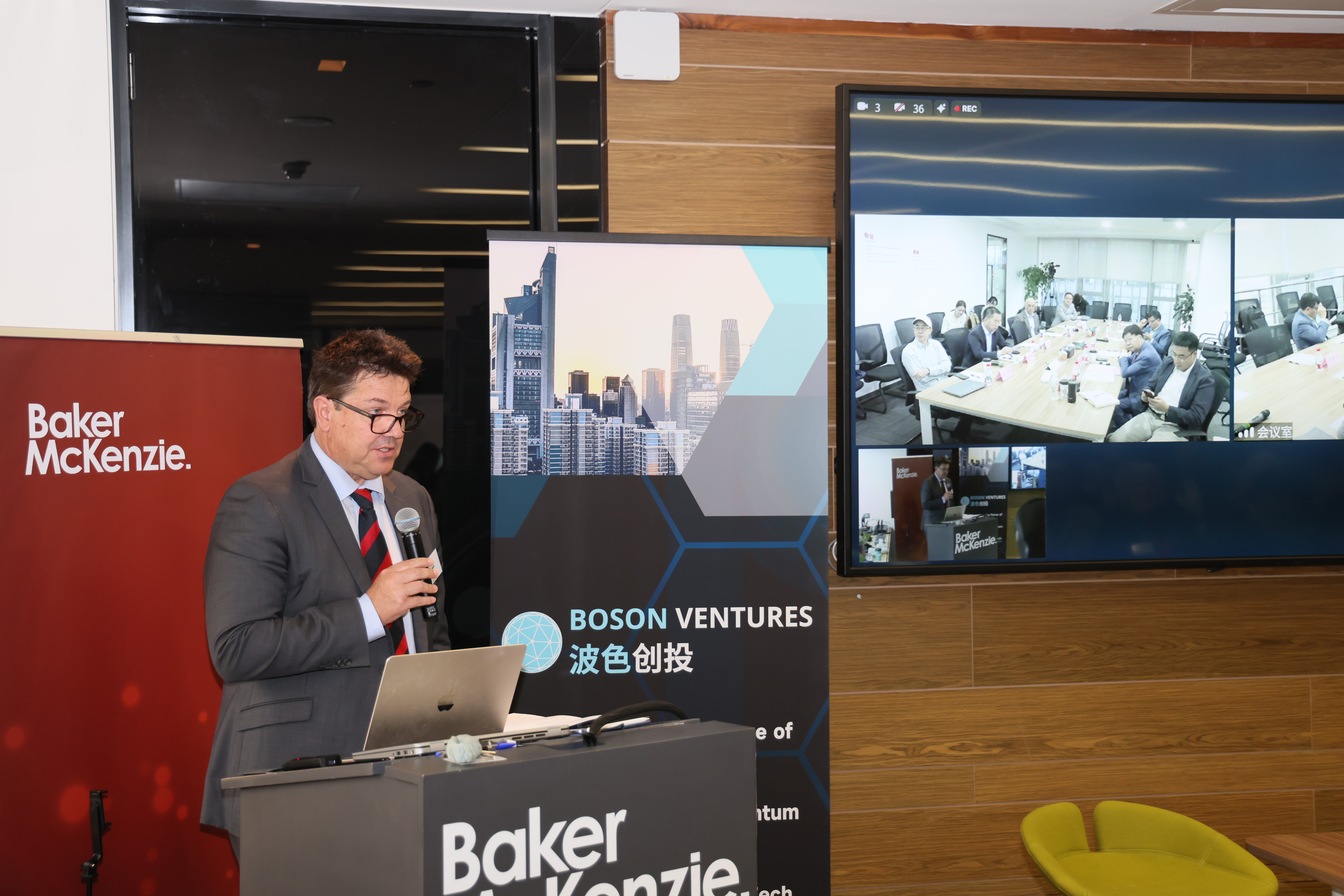
Prime Minister Albanese's July 2025 visit to China continued that tradition, with clear messaging about the importance of trade and business ties including in emerging sectors like life sciences.
The business community has an opportunity—perhaps even responsibility—to build substantive "layers" (as Tom Parker put it) on that government-to-government foundation.
What This Means for Australian Biotech
Australia's biotech ecosystem has historically looked primarily to the United States for capital, partnerships, and exit pathways. That won't change—the US remains the largest pharmaceutical market and deepest capital pool.
But exclusivity to US orientation creates limitations:
- Dependence on distant capital markets
- Manufacturing challenges during pandemic disruptions
- Missing opportunities in world's fastest-growing pharmaceutical markets
- Lack of access to cost-effective development capabilities
A both/and strategy—maintaining strong US connections while building sophisticated Asia-Pacific partnerships—positions Australian biotech for resilience and optionality.
This doesn't mean every company needs China strategy. But the ecosystem collectively benefits when:
- Leading institutions develop deep China partnerships
- Successful case studies demonstrate what's possible
- Knowledge infrastructure helps others learn from pioneers
- Policy frameworks enable rather than hinder legitimate collaboration
What's Different Now
Several factors make this moment distinct from previous waves of Australia-China biotech interest:
China's Capabilities Are Proven: This isn't aspirational anymore. Chinese biotechs are delivering molecules that Western pharma is paying billion-dollar-plus deals for. CROs/CDMOs are operating at global quality standards. Clinical infrastructure generates data accepted internationally.
Australian Understanding Is Growing: More Australian stakeholders have direct China experience. Case studies exist. Networks span borders. The learning curve is less steep than it was.
Geopolitical Framework Is Clearer: While tensions remain, the boundaries of acceptable engagement are better understood. Companies know how to structure partnerships with appropriate governance.
Intermediary Infrastructure Exists: Organizations like Boson Ventures, Lilly Asia Ventures, ACBC, and others provide trusted bridge functions that didn't exist a decade ago.
Success Stories Demonstrate Viability: From BeiGene's global approvals to Legend Biotech's NYSE listing to SYNthesis Med Chem's acquisition by Viva, examples show what's possible.
The Opportunity and Responsibility

For Boson Ventures, the roundtable reinforced our commitment to this work. As a deep tech and healthcare venture fund with deep China market expertise, we see our role as combining Australian innovation with Asian resources to accelerate ambitious startups with global impact.
But this isn't just about individual fund returns. The ecosystem benefits when:
- Early successes create confidence for follow-on engagement
- Lessons learned get documented and shared
- Networks connect people who should know each other
- Barriers get identified and addressed through collective advocacy
The global biotech landscape is rapidly evolving, and meaningful two-way engagement between Australian and Chinese industry participants will support innovators in remaining agile, informed, and proactive in building the future of healthcare.
As Australia navigates its role as a middle power with strong research capabilities and trusted relationships, the nation is uniquely positioned to play a valuable bridging role in the global biotech ecosystem. The 2025 Bioinnovation Roundtable represents not an endpoint, but a beginning—a foundation upon which to build deeper collaboration, stronger partnerships, and ultimately, better health outcomes for patients worldwide.
For the broader Australian biotech ecosystem, the opportunity is clear: China has built world-class capabilities in biomanufacturing, clinical research, and therapeutic innovation, while Australian institutions maintain global credibility in research, regulatory approval, and clinical quality. Together, these complementary strengths can accelerate drug development, reduce costs, and deliver better health outcomes for patients globally.
The geopolitical environment is complex but navigable with appropriate governance. The trust-building is gradual but achievable with sustained commitment. The capital is available to those with quality science and strategic thinking.
What's needed now is execution—moving from dialogue to deals, from MoUs to meaningful partnerships, from exploration to implementation.
The 2025 Australia-China Bioinnovation Roundtable demonstrated we have the expertise, networks, and will to make this happen.
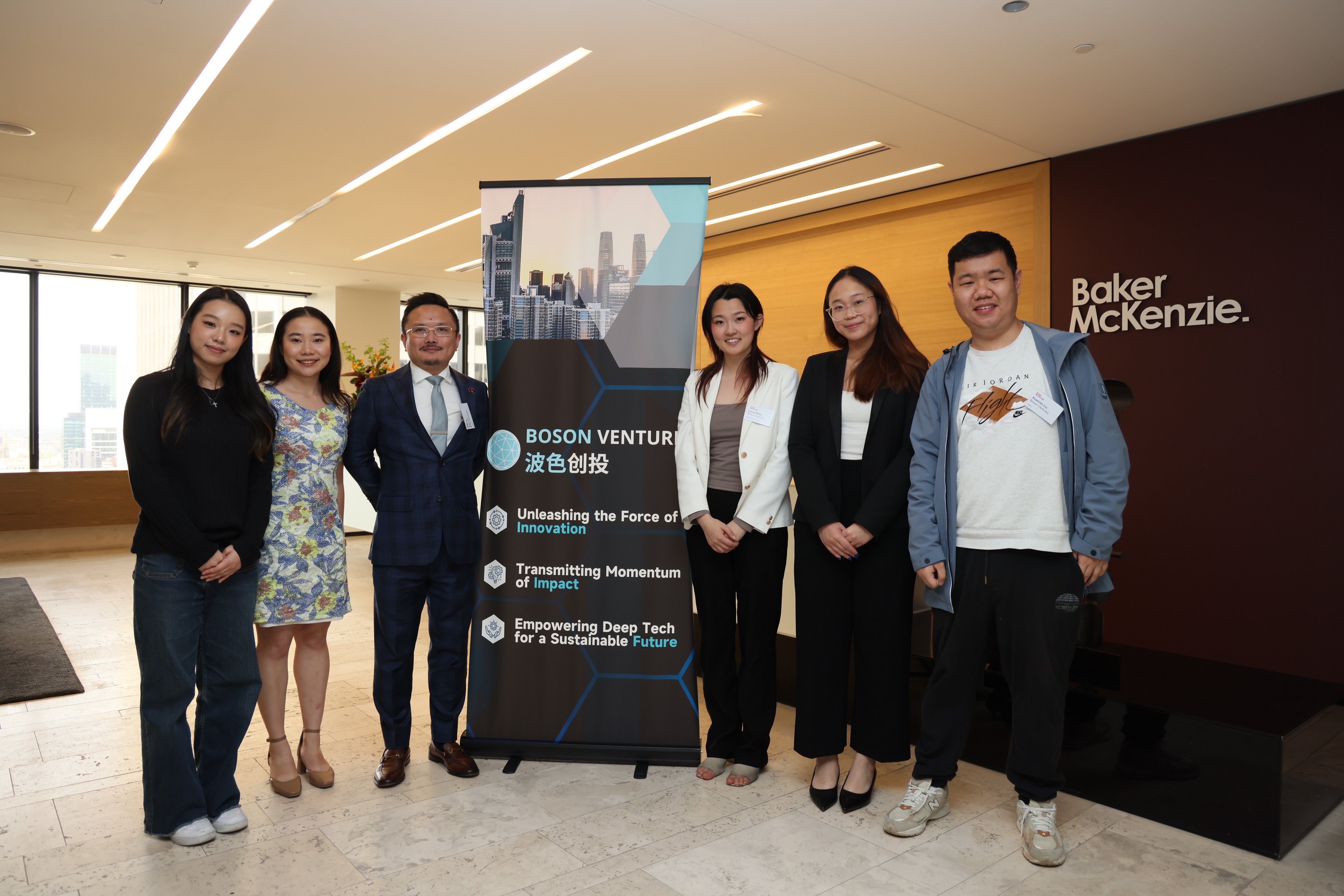
Let's get to work.
Conclusion to the Series
Over these four articles, we've explored:
Part 1 - Why China's biotech ecosystem has reached a sophistication level that Australian companies can no longer ignore, and why Australia's complementary strengths create natural partnership opportunities
Part 2 - How partnerships actually work in practice, from clinical trials to university tech transfer to integrated drug discovery platforms
Part 3 - How sophisticated investors view the cross-border landscape, what's driving China's surge, and practical strategies for Australian companies seeking to engage
Part 4 - What builds trust in cross-border partnerships, practical implementation frameworks, and concrete next steps for different stakeholders
The throughline: We're past the "should we?" question. We're deep into the "how do we execute well?" phase.
For Boson Ventures, this work continues through:
- Direct investment in cross-border opportunities
- Facilitation of partnerships between portfolio companies and Asian counterparts
- Knowledge sharing through events, publications, and ecosystem engagement
- Advocacy for frameworks that enable rather than hinder legitimate collaboration
About Boson Ventures
Boson Ventures is a deep tech and healthcare venture capital firm combining Australian innovation excellence with Asian market expertise. We invest in ambitious startups with global impact, particularly those leveraging cross-border capabilities to accelerate growth. Our team brings direct operating experience in biotech, deep China market networks, and track record supporting companies through complex international expansion.
Contact: hello@boson.vc
Website: www.boson.vc
LinkedIn: Boson Ventures
Acknowledgments
Thank you to our supporting organizations: Australia China Business Council (ACBC), Baker McKenzie, Viva Biotech, and 医学界 for making the 2025 Australia-China Bioinnovation Roundtable possible.
Thank you to all speakers, panelists, and participants who shared their expertise and experiences generously.
Special thanks to the 110+ in-person attendees and 43,000+ online viewers who engaged with the content and contributed thoughtful questions and insights.
The future of biotech innovation happens at tables like this, with people like you.
If you found this series valuable, please share it with colleagues in the Australian and Chinese biotech ecosystems. Let's build bridges for innovation together.
For more information about Australia-China bioinnovation initiatives, contact Boson Ventures at contact@boson.vc
Join Our Community Today!
Stay updated with our latest insights and news.
Explore Our Latest Insights
Stay updated with our recent articles.
.png)
