
Part 3: Following the Money: Investment Strategies in Cross-Border Biotech
Introduction
Understanding the strategic opportunity between Australia and China is one thing. Knowing how to structure partnerships and navigate clinical development is another. But ultimately, successful collaboration requires capital—and capital flows according to its own logic.
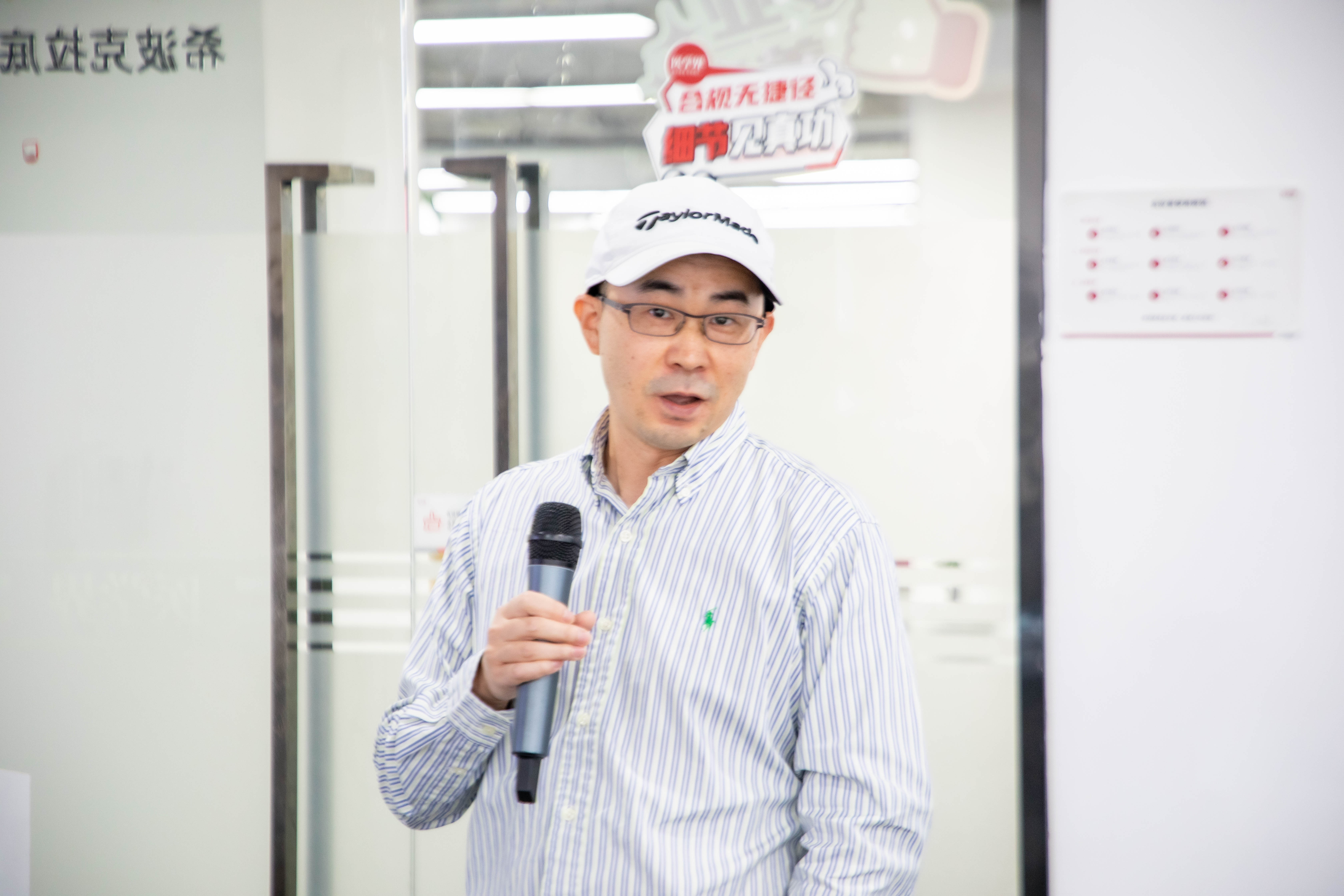
The investor fireside chat at the Australia-China Bioinnovation Roundtable provided rare insights into how sophisticated capital allocators view the cross-border biotech landscape. The conversation between Dr. Zhihui Wang (Senior Investment Manager at Lilly Asia Ventures) and Hover Chen (Partner and Head of Healthcare at Boson Ventures) went beyond surface-level observations to explore the underlying dynamics driving China's biotech surge, investment strategies, and practical advice for Australian companies seeking to engage.
The Investors
Dr. Zhihui Wang brings exceptional credentials: a PhD in Population Health Sciences from Harvard, medical degree from Fudan University, and experience at Boston Consulting Group before joining Lilly Asia Ventures' 50+ person investment team in 2021. She has been involved in over 10 investment deals and currently serves as board member of publicly listed Inventors Bio and Shihua Scientific Company.
Lilly Asia Ventures itself represents an interesting model—originally founded as Eli Lilly's corporate venture arm in 2008, it became fully independent in 2011 while maintaining close relationships with multinational pharma. This positioning gives the team unique visibility into both venture dynamics and Big Pharma strategic priorities.
Hover Chen brings over 15 years of investment experience spanning public markets and early-stage healthcare/TMT investing. As an early investor in successful Chinese biotechs including JunShi Biosciences, and with hedge fund experience at Caledonia Asia Fund and Elliston Capital, Hover offers perspective on both the venture and growth stages of biotech development.
China's Biotech Evolution: The Full Story
Dr. Wang provided a comprehensive historical framework that helps explain where we are today.
Phase 1: Pre-Biotech Era (Before 2008)
China had no innovative therapeutics development. The pharmaceutical market was dominated entirely by generics. There was no ecosystem, no capital, no regulatory pathway.
Phase 2: Ecosystem Establishment (2008-2018)
The first wave of venture capital, including Lilly Asia Ventures, began investing in biotech companies. But significant uncertainty remained: "When we made investments, we didn't know what the exit path would be. There was no capital market—neither Hong Kong nor mainland China—that would take a pre-revenue biotech company for IPO," Dr. Wang recalled.
Products developed during this period were mainly "in China, for China"—minor modifications from originator drugs to bypass patents. The focus was fast-following, not true innovation.
Phase 3: Market Opening and Competition (2018-2023)
Hong Kong's Chapter 18A opened in 2018, followed by Shanghai's STAR Market—finally providing public market access for pre-revenue biotechs.
"That moment catalyzed development of many products," Dr. Wang noted.
This period saw the sector become very crowded with fierce competition and redundancy. At one point, over 50 PD-1 products were in clinical trials simultaneously in China.
However, among the many me-too products, a few me-better and best-in-class therapies emerged: BeiGene's BTK inhibitor, Legend Biotech's BCMA CAR-T, and others. These companies "started to build track records for Chinese biotech companies" at the global stage.
Phase 4: The Golden Stage (2023-Present)
"From 2023 to now, we think we are in the golden stage," Dr. Wang stated. "Made-in-China innovation continues to sweep across the global landscape."
The numbers support this assessment:
- Chinese biotechs contributed nearly one-third of molecules in-licensed by global pharma in 2023-2024
- Multiple billion-dollar-plus licensing deals announced
- Chinese companies increasingly positioned as global players, not just China-focused entities
The Five Catalysts Behind China's Success
Dr. Wang identified five interconnected factors that enabled this transformation:
1. Regulatory Reform
"It won't be possible without the series of reforms led by China CDE," Dr. Wang emphasized.
The Center for Drug Evaluation has continuously accelerated development and approval processes, giving investors and entrepreneurs confidence to pursue long-term innovation.
Key milestones included:
- 2015: Accelerated drug evaluation processes
- 2017: Joining ICH (International Council for Harmonisation)
- Ongoing: Continuous refinement of clinical trial requirements and approval standards
2. Talent Depth
China's education system places very strong emphasis on STEM subjects.
"China has one of the strongest capabilities in chemistry and biologics engineering," Dr. Wang noted. "That's why we're able to develop so many products in such an efficient way."
The return of "sea turtles"—Chinese nationals who studied and worked at top Western institutions before returning—has been particularly impactful, bringing global best practices to Chinese biotech leadership.
3. Infrastructure Excellence
China has built one of the strongest CRO sectors in the world. Large patient populations and experienced clinical sites increasingly capable of conducting global-standard trials provide crucial support.
"The quality of clinical sites' experience to do global trials continues to increase," Dr. Wang observed. This infrastructure enables both speed and quality.
4. Capital Markets
China has the second-largest venture capital market globally. The public markets in Hong Kong and mainland China have recovered significantly after previous downturns, providing viable exit pathways.
"We can't forget the capital market," Dr. Wang emphasized. "Hong Kong and STAR Market have definitely recovered after the market crash."
5. Manufacturing Scale
China's biomanufacturing capabilities now rival any in the world, with significant cost advantages. The integrated CRO/CDMO ecosystem enables end-to-end development at speeds and costs difficult to match elsewhere.
Involution: When Hypercompetition Drives Innovation
Hover Chen provided valuable context on "involution" (内卷)—a term that has become ubiquitous in Chinese tech and biotech discussions.
The Bubble That Wasn't Entirely Bad
"I remember venturing into biotech VC in 2012," Hover recalled. "At that time, there were very few VCs. Lilly Asia Ventures was probably the only specialized VC focused on healthcare. Hill House had just started their healthcare team—there were very few."
With government support, returning talent, and capital influx, the sector exploded. "At one time, there were 50 PD-1 products in clinical trials in China. That's the over-competition, the hyper-capacity problem."
Forcing Evolution
But Hover argued this "bubble" was necessary: "You need some sort of bubble or over-capacity in this industry to lead to the rise of Chinese biotech. A small company entering the market will definitely face over-capacity issues. But in the past few years, we started to see companies shift to other new modalities—ADCs, bi-specifics, even multi-specifics. They're getting to the next level."
Raising the Bar
"Involution could be bad for some companies, but it's good for an industry," Hover concluded. "Companies have to compete at a different angle. They have to reduce costs, leverage the Chinese CRO ecosystem, make smart build-or-buy decisions. There's a very high standard of requirements for management teams—understanding not just science, but capital efficiency and operational excellence."
The result: A new generation of Chinese biotech leaders who think like pharmaceutical executives from day one.
Going Global: The Out-Licensing Surge
The conversation turned to the dramatic increase in Chinese biotechs licensing assets to Western pharma—a trend that has surprised many observers.
Why Now?
Dr. Wang explained the convergence of factors:
Strong science: Chinese companies are now developing truly differentiated, best-in-class or first-in-class molecules—not just me-too products.
Data quality: Clinical trials in China increasingly generate data that meets Western regulatory standards. Key opinion leader (KOL) involvement and global CRO engagement have elevated quality.
Management sophistication: Teams understand what Big Pharma needs—not just good molecules, but comprehensive data packages covering science, CMC (chemistry, manufacturing, and controls), and IP.
Market timing: The 2021 bubble burst created a unique opportunity. Chinese assets were undervalued by capital markets despite strong science, creating attractive entry points for Western partners.
What Makes Deals Happen
Dr. Wang outlined the critical success factors:
1. Pick Big Markets with True Differentiation
"The founder really has to understand what the strategy and TA (therapeutic area) focus priorities are of multinationals, and how their products will bring additional value or synergy to pharma's existing portfolio."
This isn't easy homework—pharma strategies evolve constantly. "If you ask different persons at different times, they may give different answers. You may be out of scope today, but who knows about tomorrow."
2. Build Pharma-Aligned Data Packages
"Data quality must meet the highest standards of global pharma to pass due diligence. There could be many ways to break a deal—the data itself, CMC, IP."
Companies must think about regulatory strategy early and build data packages that work across geographies.
3. Structure Deals Early
"Founders from scientific backgrounds tend to think less at the beginning about how to structure deals—legal and tax implications for both parties."
Dr. Wang's advice: "Start conversations with lawyers and auditors sooner rather than later. It's not just about a good product and good idea—it's about execution and communication."
The Role of Local Partners
Dr. Wang emphasized the importance of local-local syndication: "For new co-formation deals to happen, there's a very important role for local partners. Our fund has participated in several new co deals. It's always a syndication of US-based funds and Chinese-based funds, because each site can provide their own value-add."
US investors worry about not seeing "underwater assets" being developed or being unfamiliar with the ecosystem. Chinese investors provide crucial local knowledge—introductions, due diligence support, and ongoing portfolio management.
"For Australia, it's the same," Dr. Wang noted. "If we want to invest in Australia, we would definitely love to work with Australian local VCs to bridge the gap."
NewCo Structures: When and Why
The conversation addressed NewCo formations—a deal structure that has become increasingly common but often misunderstood.
The 2021-2023 Context
Hover explained: "NewCo formations rose when Chinese assets were undervalued. The market crashed, but the industry was actually stronger than ever due to years of accumulation. There were lots of good assets, all undervalued by capital markets."
This created unique opportunities for global partners to acquire assets and develop them globally at reasonable prices—often through offshore NewCo entities that facilitate investment, regulatory strategy, and eventual exit.
Future Flexibility
Both investors emphasized that NewCo is just one tool among many. "The future path will mix NewCo, licensing, and M&A based on founder and investor needs," Dr. Wang predicted.
The decision should align with:
- Founder preferences: Do they want to retain operational control or prefer upfront capital from licensing?
- Investor return requirements: What structure maximizes value for existing shareholders?
- Asset characteristics: Is the molecule best developed globally from day one, or should it prove itself in China first?
- Regulatory strategy: Does the company need offshore structure to pursue FDA pathway efficiently?
"It's not a one-size-fits-all," Hover emphasized. "Every company has its own perspective. But in the end, it's about advancing the pipeline to benefit more global patients."
Investment Climate: Where Things Stand in 2025
Both investors provided assessments of current market conditions.
Capital Markets Recovery
Dr. Wang noted positive momentum: "The public markets for Hong Kong and Asia have definitely recovered after the market crash. We're seeing good results happening."
Chapter 18A listings have resumed with successful IPOs. Valuations have normalized from the 2021 peak but stabilized at more sustainable levels. Institutional investors are returning to the sector.
What Chinese Investors Seek
Hover outlined typical investment criteria:
- Strong science: Best-in-class or first-in-class positioning
- Experienced teams: Management with international expertise and track record
- Robust IP: Clean patent landscapes with defensible positions
- Clear regulatory strategy: Thoughtful approach to China and global pathways
- Capital efficiency mindset: Not just great science, but smart deployment
"Chinese investors are now more sophisticated," Hover observed. "They're not just chasing the next PD-1. They want true differentiation and teams that understand the full journey from biotech to biopharma."
What Australian Biotechs Should Highlight
Dr. Wang suggested Australian companies emphasize:
- Globally accepted data: Australian clinical trials generate data recognized by FDA, EMA, and increasingly NMPA
- IP quality: Strong patent positions developed in trusted jurisdictions
- Therapeutic area fit: Areas where China has strong clinical infrastructure (oncology, metabolic diseases, CNS)
- Team international experience: Founders or key team members with global drug development experience
- Clear China strategy: Not just "we might do something in China someday" but thoughtful partnership approach
Therapeutic Areas of Opportunity
The investors highlighted specific areas where China has developed particular strengths and where Australian companies might find receptive partners.
Cell and Gene Therapy
Dr. Wang was emphatic: "For rare disease cell and gene therapy, China definitely has competitive advantage. CDE has done reforms to make approval and clinical development more accelerated. For some aspects, China is even taking a more progressive approach than other regulatory agencies."
The IIT (Investigator-Initiated Trial) mechanism is particularly powerful: "If you develop a new modality cell and gene therapy and the data is enough to convince one of the top PIs in the country to conduct a trial, Chinese companies can generate human data before formal IND. This gives competitive advantage compared to global peer companies."
Dr. Wang cited a specific example: "European biotech ESO Biotech's deal with AstraZeneca wouldn't have happened without ESO finding a Chinese partner to conduct an IIT trial in China. That data triggered the business development deal."
Oncology
Hover noted: "Probably one-third or more of deals are in oncology. Oncology will continue to be a main area because we have large patient populations, and patient enrollment is relatively faster."
China's oncology infrastructure—from Phase I units to large Phase III trial networks—is world-class. Australian biotechs with differentiated oncology assets have natural partnership opportunities.
Metabolic Disorders and CNS
"There are quite a few areas where China is doing lots of work," Hover observed, specifically mentioning metabolic disorders and Parkinson's disease. "We know lots of Chinese companies are doing quite advanced development—already into Phase II, Phase III clinical trials."
These represent areas where China's large patient populations and efficient clinical infrastructure create significant advantages.
Key Takeaways for Australian Stakeholders
The investor fireside chat provided several crucial insights for Australian biotechs, researchers, and investors:
For Biotechs:
- China's ecosystem has reached sophistication levels that cannot be ignored
- Strategic engagement requires clear objectives and appropriate partners
- Quality and execution matter more than speed alone
- Building relationships early pays dividends later
- Think about deal structure and regulatory strategy from day one
For Investors:
- Co-investment with Chinese funds improves deal flow and portfolio support
- Understanding China's landscape creates competitive advantage
- Local-local syndication models work well for cross-border deals
- NewCo structures are viable tools when appropriate
- Geopolitical concerns shouldn't paralyze action on quality opportunities
For Research Institutions:
- Commercial partnerships require institutional sophistication
- Pre-seed funding makes spin-outs investment-ready
- China engagement can accelerate technology transfer
- Student and researcher exchanges build future partnership foundations
- Physical presence in China innovation hubs demonstrates commitment
For Policymakers:
- Clear frameworks reduce uncertainty and enable industry action
- Regulatory harmonization initiatives create value
- Government co-investment can catalyze private capital
- Success stories should be amplified to build confidence
- Middle-power positioning can be strategic advantage, not limitation
Looking Ahead
The investor perspectives made clear that capital is available and flowing—but it follows quality science, strong teams, and strategic thinking. Australian biotechs that approach China partnerships with appropriate sophistication can access meaningful advantages in speed, cost, and scale.
But as Hover and Dr. Wang both emphasized, successful partnerships require more than capital and capability—they require trust, built through repeated interaction, transparent communication, and demonstrated commitment.
This theme of trust as the foundation for successful collaboration formed the core of the closed-door roundtable discussion—explored in Part 4 of this series.
Next in this series: Part 4 examines the closed-door roundtable discussions, where senior leaders shared frank insights on building trust, structuring partnerships, and moving from dialogue to concrete action in Australia-China biotech collaboration.
For more information about Australia-China bioinnovation initiatives, contact Boson Ventures at contact@boson.vc
Join Our Community Today!
Stay updated with our latest insights and news.
Explore Our Latest Insights
Stay updated with our recent articles.
.png)
