

Part 1: The Golden Age of China Biotech: What Australian Innovators Need to Know
Introduction
On October 20, 2025, over 110 senior leaders gathered in Melbourne and Shanghai for the Australia-China Bioinnovation Roundtable, with over 43,000 viewers joining via livestream. The event, convened by Boson Ventures and supported by the Australia China Business Council (ACBC), Baker McKenzie, Viva Biotech, and 医学界, marked a pivotal moment in cross-border life sciences collaboration.
The timing couldn't be more significant. Just five years ago, Chinese biotechs contributed zero molecules to global pharma in-licensing. Today, that number has surged to nearly one-third—a transformation that has caught many in the West by surprise, but signals China's arrival as a major force in therapeutic innovation.
Yet despite this extraordinary change, significant information asymmetries remain between Australia and China—not from lack of interest, but from insufficient opportunities for meaningful dialogue. This roundtable was designed to bridge that gap.
Setting the Strategic Context
Alan Cui, founding partner of Boson Ventures, opened the event with a clear message:
"The future of biotech innovation won't happen in isolation. It happens at the table like this, with people like you."
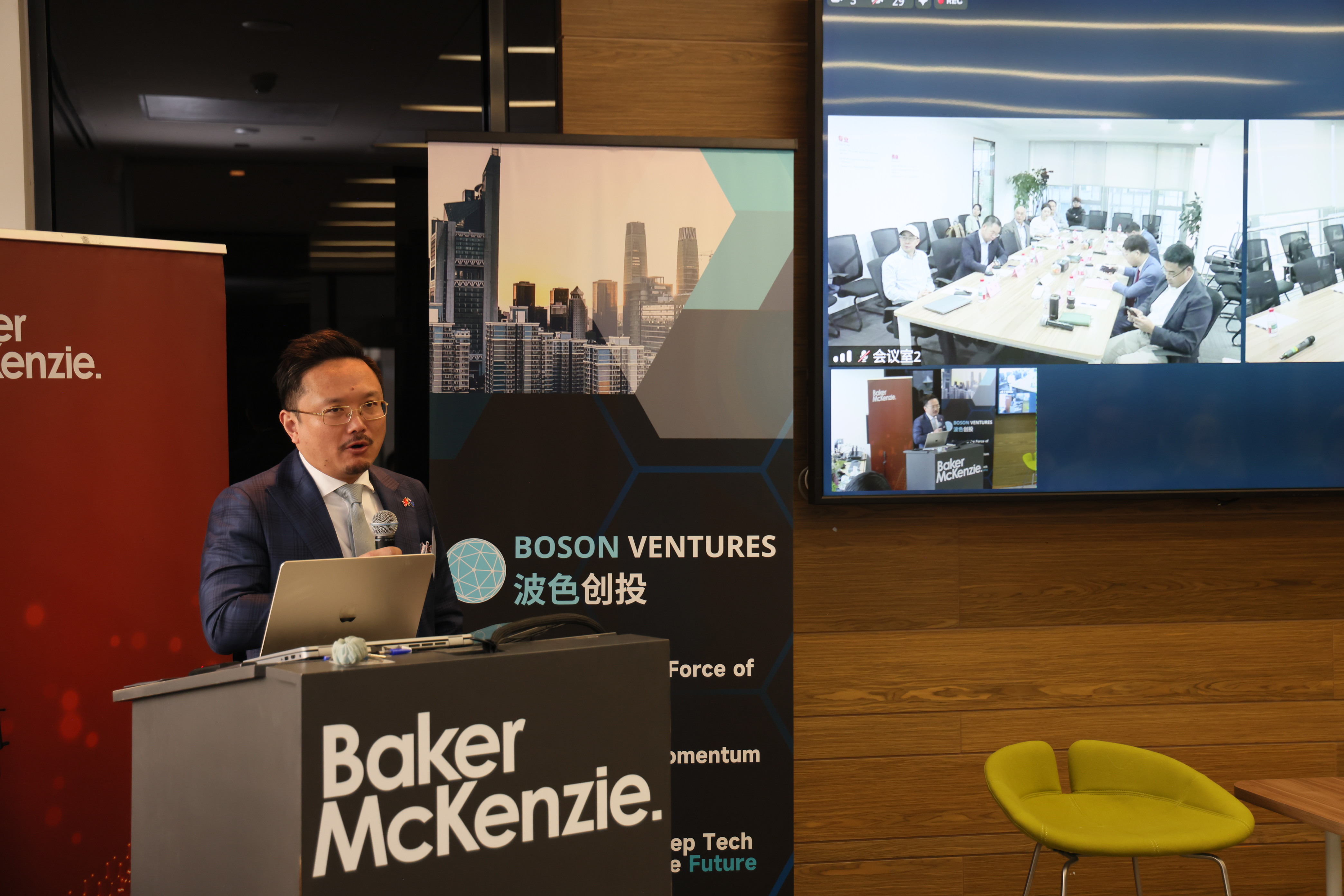
Since hosting the inaugural roundtable last year, Boson Ventures has made tangible progress—from conducting due diligence of biotech startups alongside Chinese industry partners, to facilitating visits by Shanghai Jiao Tong University's biomedical alumni to Australian research institutes. But the need for deeper, more strategic engagement has only grown.
Tom Parker, CEO of ACBC, emphasized the broader context:
"The Australian government is focused on stabilizing the relationship between Australia and China, but we are adding layers to that. It's forums like today that help us articulate where the touch points, barriers, and opportunities are."
ACBC's Innovation Forum, a cross-sector working group focusing on biotech, medtech, sports tech, and cleantech, represents exactly this kind of business-led collaboration—moving beyond government-to-government dialogue to practical, industry-driven partnerships.

The Shanghai Perspective: Honest Assessment, Optimistic Vision
Chen Qirui, founder of 医学界 and host of the Shanghai site, brought refreshingly candid perspective from China's leading healthcare media platform. His involvement in the roundtable stemmed from participating in a Shanghai Jiao Tong University biomedical delegation visit to Australia in August 2025, organized by Boson Ventures.
Chen Qirui was struck by Australia's outsized impact in biomedicine and observed that many Chinese companies were already conducting early-stage trials in Australia for both cost and quality reasons. But he didn't shy away from uncomfortable truths: China's clinical research quality and efficiency lag behind, and Chinese clinical data faces recognition challenges globally, even in some Southeast Asian countries.
Rather than framing this as a barrier, Chen Qirui positioned it as precisely why engagement matters. China has built its rapid rise on industrial chain advantages—talented scientists, world-class supply chains, and scale—but improving clinical research quality represents a major future opportunity. Australia's strengths in basic research methodology and globally-accepted clinical trials offer a natural learning partnership.
His closing captured the day's spirit: invoking Xiaomi founder's principle of
"always believe beautiful things are about to happen"
Chen Qirui expressed optimism that China-Australia collaboration could elevate both ecosystems and ultimately benefit global patients. This dual perspective—honest about gaps while optimistic about potential—set the tone for pragmatic, action-oriented discussions to follow.
Australia's Ecosystem: Strengths and Strategic Assets
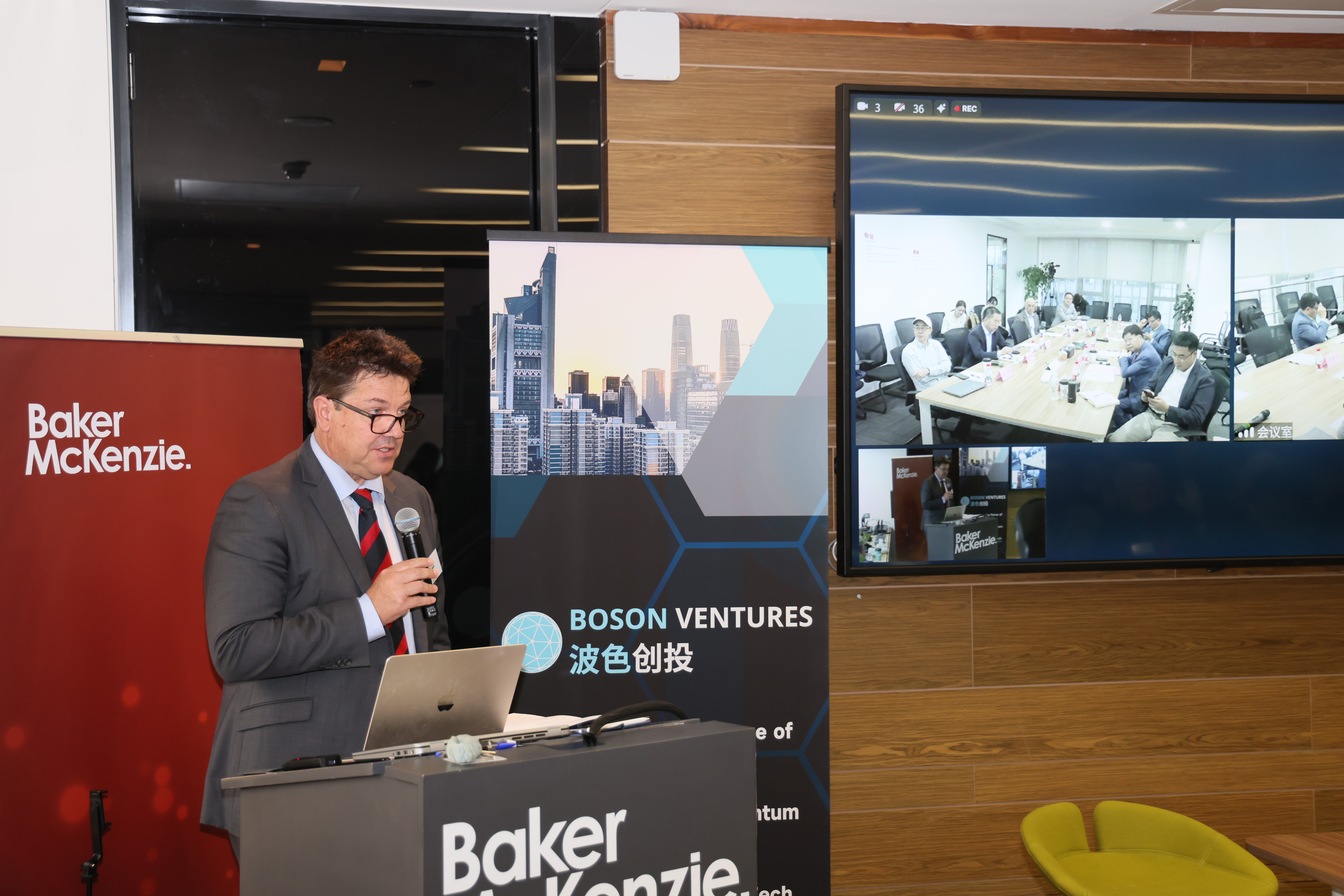
Stuart Dignam, CEO of MTPConnect, Australia's industry growth centre for medical devices and pharmaceuticals, provided a comprehensive overview of the nation's life sciences capabilities.
Australia may be a country of just 27 million people, but it ranks 22nd globally in the innovation index and 6th among 17 economies in Southeast Asia, East Asia, and Oceania. Sydney and Melbourne are recognized as global top-tier innovation clusters, with Brisbane, Adelaide, and Perth rapidly catching up.
The country's research prowess is evident: Australia ranks 6th in the world for publications per million people.
"We have the researchers, the entrepreneurs, the innovators to work with you to commercialize whatever it is you're working on," Stuart noted.
Clinical Trials: Australia's Competitive Edge
Stuart highlighted clinical trials as a particular area of Australian excellence:
- Greater than 50% of FDA-approved drugs are studied in Australia
- Speed matters: Less than two months from submission to first patient dosed
- Quality and cost: World-class infrastructure at competitive pricing
- Global acceptance: Australian clinical data is recognized by regulatory bodies worldwide, including FDA, EMA, and increasingly NMPA
He emphasized Australia's connected policy ecosystem, including the $20 billion Medical Research Future Fund (MRFF), the $15 billion National Reconstruction Fund with a priority on medical science, and the Industry Growth Program (IGP)—all providing integrated support for biotech development.
The Strategic Case for Australia-China Partnership
Stuart made a compelling argument for deeper engagement: "Matching Australia's capabilities in research, early-stage drug discovery, IP creation, and clinical trials with China's power in scaling and production just makes all of the sense in the world."
He referenced Australia's historical relationship with China, dating back to Gough Whitlam's groundbreaking 1971 visit—before Nixon's famous trip—and Prime Minister Anthony Albanese's July 2025 visit to China. "Among Western nations, Australia and China have a pretty special relationship," he observed.
China's Transformation: From Fast Follower to Innovation Leader
Chen Shaoxiong, Executive President and Secretary General of the Shanghai Biopharmaceutical Industry Association, provided authoritative context on China's biotech evolution from the industry association perspective.
The statistics are striking:
- China is now Asia's fastest-growing biopharmaceutical market with average growth rates exceeding 16%
- The shift from imitation to innovation: In 2015, domestically developed innovative drugs accounted for less than 10% of the market. By 2024, that figure reached 42%
- 39 domestically developed original drugs gained global approval in recent years
- Hong Kong's Chapter 18A has attracted 56 unlisted biotech companies with market caps exceeding HK$110 billion
- China now hosts over 2.67 million square meters of biomanufacturing capacity
- More than 37,000 clinical trials are underway
- The industry employs over 1 million people, 35% holding PhDs

Chen Shaoxiong emphasized three critical policy drivers:
- Regulatory reform: From 2015's accelerated drug evaluation to 2017's joining of ICH (International Council for Harmonisation), the Chinese government has systematically removed innovation barriers.
"In both 2024 and 2025 government reports, China identified innovative drugs as a strategic industry for support," he noted.
- Capital markets: Chapter 18A in Hong Kong (2018) and Shanghai's STAR Market opened pathways for pre-revenue biotech IPOs, attracting 1,069 institutional investors in 2024. "Hong Kong 18A has attracted 56 unlisted biotech companies with total market cap exceeding HK$110 billion."
- Manufacturing ecosystem: China's sophisticated CRO/CDMO infrastructure now rivals global standards. "China has over 2.67 million square meters of biomanufacturing capacity, more than 37,000 clinical trials underway, and over 1 million industry employees, 35% holding PhDs."
Perhaps most significantly, Chen Shaoxiong noted: "In 2025, among new drug clinical trial applications filed in the US, over 50% of molecules originated from China. As of December 2024, China has the world's largest innovative drug pipeline with 3,575 candidate drugs, of which 28% are cell therapies, 19% are small molecules, and 40% have entered mid-to-late stage clinical trials."
Going Global Acceleration
Chen Shaoxiong highlighted China's rapid progress in international expansion:
"Since 2019, when BeiGene's zanubrutinib became the first Chinese drug approved by FDA, 18 domestically developed drugs have gained overseas approval as of 2020. In 2024 alone, 14 drugs received approvals in multiple global markets, with 60% being oncology therapies."
He also noted the dramatic reduction in approval time gaps: "Previously, innovative drugs took 8 years longer to reach China market than the US. Now this gap has narrowed to within 2 years. Drugs like Keytruda entered China just 3 years after US approval."
The Complementary Opportunity
Chen Shaoxiong articulated the strategic rationale clearly:
"China and Australia have highly complementary advantages that provide broad space for collaboration. Australia has advantages in early clinical trials and rigorous research systems, while China has a massive market, mature industrial ecology, and rich late-stage pipelines."
He identified three major areas for collaboration:
- Cross-border clinical trial collaboration
- Innovative achievement transformation
- Industry-university cooperation models
"Shanghai Biopharmaceutical Industry Association and Shanghai Jiao Tong University Alumni Association will continue to play a bridging role, connecting Shanghai enterprises with Australian partners," Chen Shaoxiong concluded.
Hong Kong: The Strategic Bridge
Andy Wong, Head of Innovation & Technology at InvestHK, positioned Hong Kong as the critical connector between Australian innovation and the Greater China market.
Why Hong Kong Matters for Australian Biotechs
Hong Kong offers unique advantages:
- Common law system familiar to international investors
- 16.5% flat corporate tax rate
- Chapter 18A IPO pathway for pre-revenue biotechs that have completed Phase I trials with positive results
- Greater Bay Area "Medical Connect" initiative facilitating cross-border clinical trials without full NMPA assessment
- 87 million population in the GBA with substantial GDP
- Zero tariffs as a free port
Andy emphasized Hong Kong's role as both a capital hub and operational base:
"Hong Kong is not just about raising money. We have five universities ranked in the top 70 globally, world-class R&D infrastructure, and government matching funds that provide 2:1support for early-stage, high-risk projects."
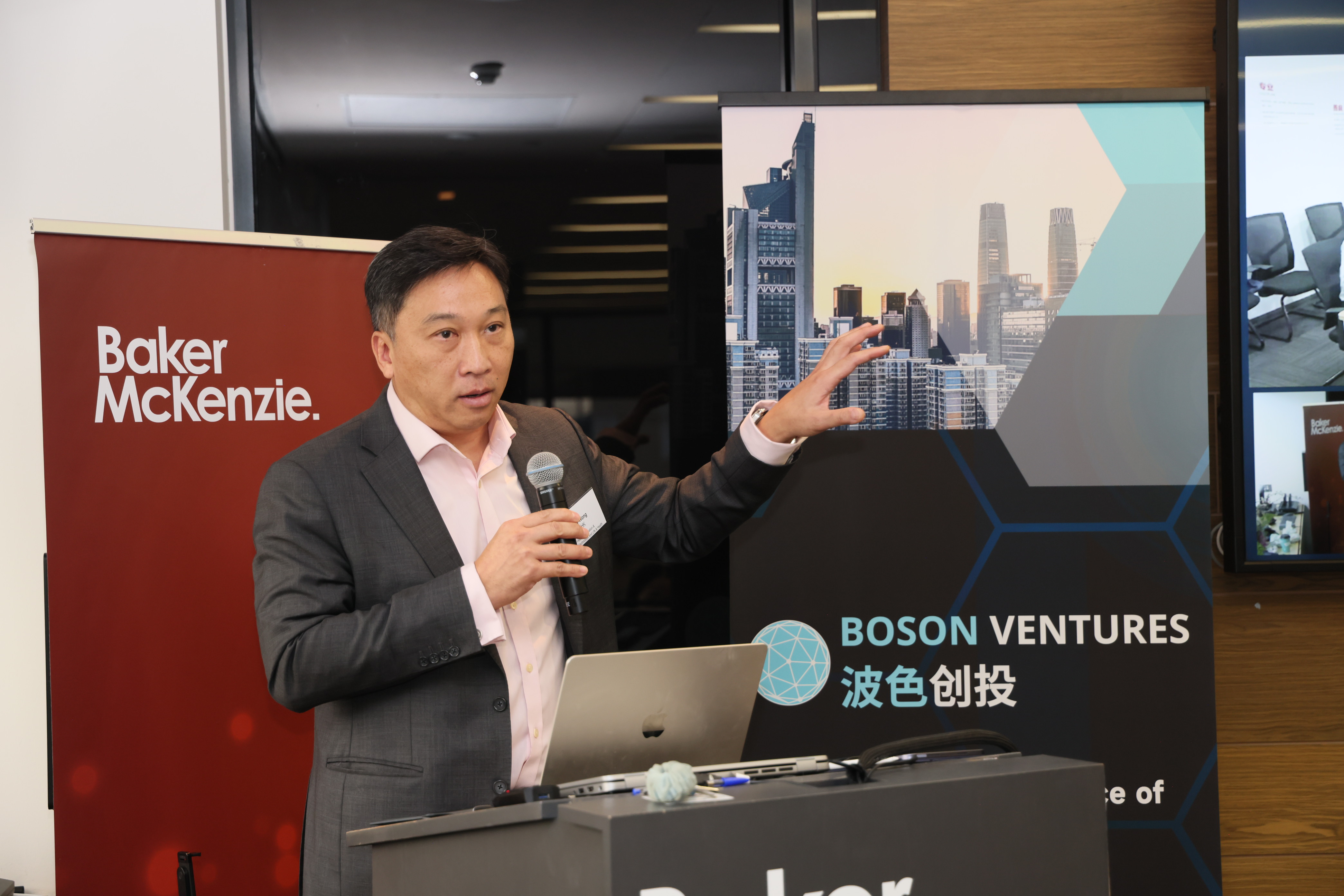
For Australian biotechs seeking Asian expansion, Hong Kong provides a practical entry point—maintaining connections to Western capital markets and regulatory standards while accessing mainland China's massive market and manufacturing capabilities.
The Complementarity Thesis
The keynote presentations established a compelling strategic logic:
Australia brings:
- World-class research and IP creation
- Globally accepted clinical trial data
- Fast, cost-effective first-in-human studies
- Diverse patient populations
- R&D tax incentives (up to 43.5% refundable for small companies)
- Manufacturing base outside China for de-risking global commercialization
China offers:
- Massive patient populations for rapid enrollment
- World-class, cost-effective CRO/CDMO infrastructure
- Sophisticated biomanufacturing at scale
- Deep STEM talent pool
- Substantial growth capital
- Second-largest pharmaceutical market globally
Hong Kong connects:
- Capital markets access (18A listings)
- Common law and IP protection frameworks
- Gateway to Greater Bay Area
- Regulatory bridge between systems
What This Means for Australian Biotechs
The message from all speakers was clear: China's biotech ecosystem has reached a level of sophistication that Australian companies can no longer afford to ignore.
Stuart Dignam put it directly:
"I think get on, engage. We heard that message at MTPConnect, and I hope more and more people are hearing it."
For Australian biotechs working with limited capital runway, China's proven capabilities in speed, scale, and cost efficiency represent meaningful strategic advantages. The question isn't whether to engage, but how to do so strategically—building partnerships that leverage complementary strengths while managing appropriate risks.
Looking Ahead
The keynote presentations set the foundation for deeper exploration. The complementary strengths are evident. The policy frameworks are increasingly aligned. The commercial logic is compelling.
But how do partnerships actually work in practice? What are the governance frameworks that enable collaboration while managing risk? Where do clinical trials make most sense? How do biotechs structure IP and navigate dual regulatory pathways?
These practical questions formed the heart of the panel discussions and roundtable conversations that followed—and will be explored in Part 2 of this series.
Next in this series: Part 2 explores practical pathways for Australia-China collaboration, featuring insights from clinical research leaders, university technology transfer experts, and industry operators with hands-on experience navigating cross-border partnerships.
For more information about Australia-China bioinnovation initiatives, contact Boson Ventures at contact@boson.vc
Join Our Community Today!
Stay updated with our latest insights and news.
Explore Our Latest Insights
Stay updated with our recent articles.
.png)
